
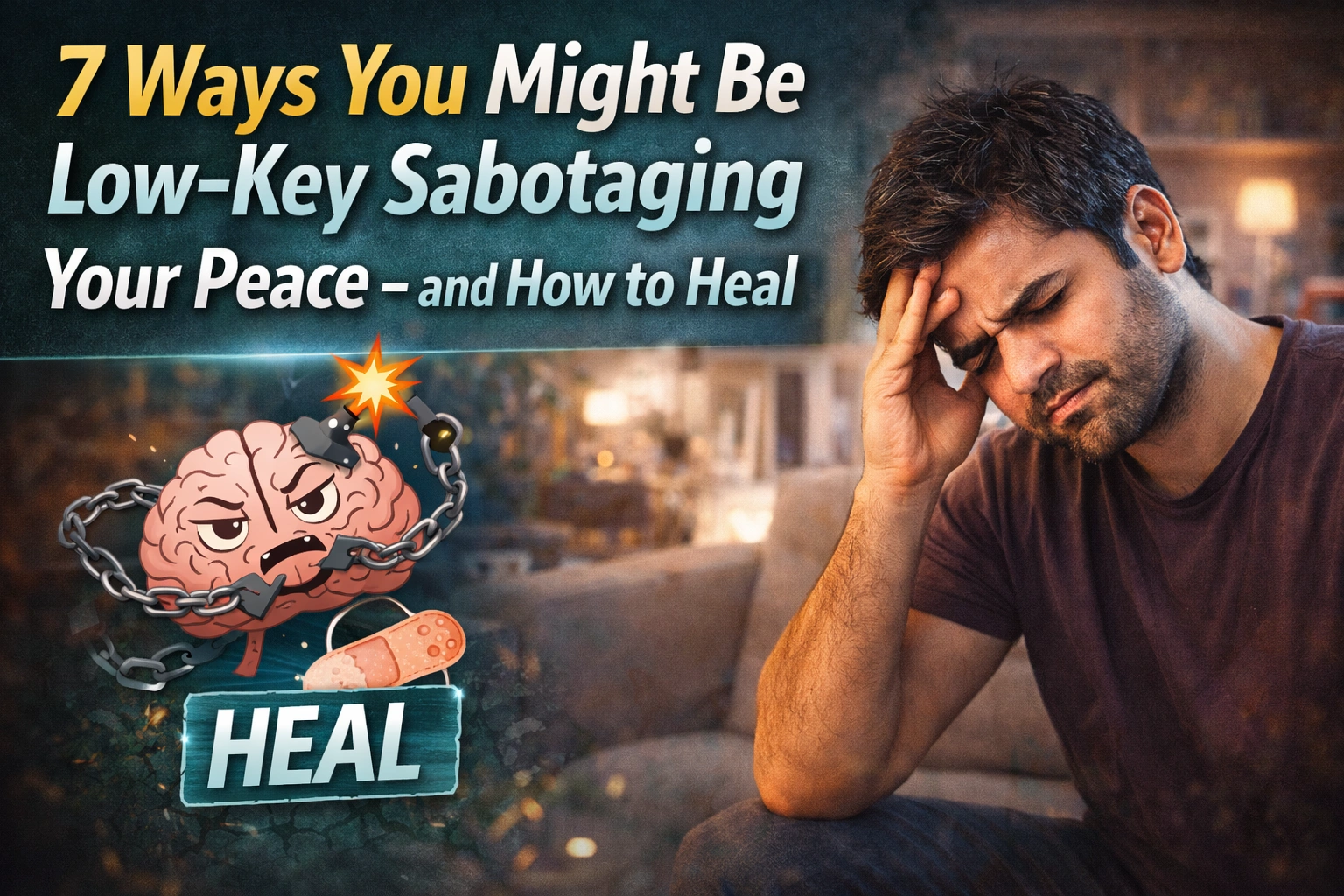
Low-key sabotage shows up in small daily actions that damage your calm. You doubt yourself, avoid hard decisions, and stay trapped in limiting beliefs. Understanding Why do we self sabotage helps you see how subconscious behaviours steal mental space and push you back into the same discomfort again.
These actions feel harmless but slowly create deep consequences of self sabotage. You repeat unhealthy coping mechanisms, allow your inner critic to grow louder, and fall into old routines. When you notice the signs of self sabotage, you begin a powerful mindset shift toward clarity, calm, and control.
Low-key self-sabotage often hides behind everyday habits that look harmless but quietly drain your peace. You might brush off your constant hesitation, overthinking, or emotional reactions as normal, yet these patterns slowly shape how you feel and how you live. Many people fall into self-defeating behaviour without noticing the deeper emotional triggers that push them back into the same loop. Small thoughts create big barriers, especially when limiting beliefs and old fears guide your decisions. When you begin to see these subtle signs, you finally understand the behavioural patterns that keep you stuck. Awareness becomes the first real step toward healing and inner calm.
Small habits like emotional suppression, perfectionism, or comparing yourself create long-term stress. These examples of self sabotage show up in friendships, career moments, and family interactions. Noticing them early helps you build resilience building skills and gently step out of your old comfort zone.
Your beliefs shape your inner world. When you think you are not enough, you fall into self-defeating behaviour and ignore positive change. Learning how to build self-awareness helps you understand why these thoughts appear and how they decide your emotions every day.
Many Indians grow up hearing criticism that feeds self-worth issues. This creates fear, pressure, and emotional fatigue. When you challenge these thoughts, you fight fear of failure, reduce fear of success, and begin overcoming self sabotage with steady mental clarity.
Your mind repeats stories that guide your choices. When these stories carry negative self-talk, you feel weaker and restless. Shifting your inner language helps you move forward with gentleness and real emotional healing.
Depending too much on others creates hidden stress. When you expect someone to rescue you, you get stuck in old comfort zone patterns. Learning how to stop self sabotaging means trusting your own decisions and breaking dependence.
This habit creates silent pressure in relationships. You ignore your power and fall into low-key sabotaging relationships without noticing. Becoming emotionally independent helps you grow, take responsibility, and build confidence building strategies that change your future.
You avoid decisions, delay solutions, and wait for reassurance. These invisible habits drain energy and limit your freedom. Recognising them early helps you find balance and take true ownership of your life.
Rigid thinking creates constant discomfort. When you believe things must always be perfect, you repeat perfectionism patterns and fall into frustration. A flexible mindset reduces stress and supports a calmer life.
You cannot grow when you believe only one path is safe. Changing these beliefs helps you leave old fears and start breaking bad habits with patience. A flexible mind creates space for new opportunities and inner peace.
Rigid thoughts create a cage around your choices. When you soften them, you finally feel free to explore new options and heal without pressure.
Low self-worth affects every decision. You doubt yourself, avoid risks, and fall into emotional patterns that reinforce old pain. Learning to believe in your value helps you escape hidden psychological barriers and stop repeating the same stress cycles.
This struggle grows from childhood experiences, comparisons, and fear. When you recognise the impact, you step into self-improvement tips that build inner strength. Growth becomes easier when you speak kindly to yourself.
You may overthink everything, apologize too often, or expect failure. Changing these patterns helps you move toward calm confidence.
Rejecting praise seems small, yet it damages your self-image. When you push away kind words, you strengthen your inner critic and stop building confidence. Accepting praise is not arrogance. It is growth.
This habit comes from cultural modesty and fear. When you accept positive feedback, you fight hidden mental blocks and open doors to better opportunities. It supports healthy emotional development.
Praise nourishes your identity. Accepting it softens the harsh voice inside you and strengthens your emotional stability.
When you chase approval, you lose your own voice. Worrying about opinions creates deep anxiety and keeps you stuck in self sabotaging habits. You forget your needs and follow expectations that drain your peace.
Approval-seeking leads to emotional exhaustion. You change your choices, ignore your truth, and allow criticism to shape your path. This cycle keeps you from rewriting your story and living with honesty.
You hesitate, over-explain, or avoid expressing your desires. Letting go of this pressure frees your mind and strengthens self-respect.
Thinking too much about time steals your calm. You worry about what you said or fear what might happen next. This creates manage anxiety patterns and weakens your emotional stability.
Rumination keeps you trapped in cycles of fear and regret. Breaking this habit helps you practice progress not perfection. You learn to live fully in the present and stop repeating old emotional pain.
The mind believes worry equals safety. When you teach it new responses, fear loses power and peace grows stronger.
These behaviours affect your health, relationships, career, and happiness. You lose energy, question everything, and fight constant emotional pressure. These consequences of self sabotage are heavy and exhausting.
Daily routines become harder. You face conflict, overthinking, hesitation, and stress. Understanding these effects helps you build daily self-improvement habits that rebuild inner calm.
You avoid conversations, delay tasks, or worry about approval. These small habits silently break your confidence until you learn new emotional skills.
Healing begins when you understand your patterns. You learn understanding triggers, find strength in self-forgiveness techniques, and build healthy routines. These small changes create a powerful internal shift.
You slowly practice new habits. You apply challenge negative thoughts, try tolerate discomfort, and follow realistic goal setting. Healing grows with patience and consistent effort in your daily life.
Take slow steps, use gentle thoughts, and track progress through weekly self check-ins. These practices strengthen emotional balance.
Ending these habits takes time. You learn recognising patterns, understanding your emotions, and rewriting your internal story. Long-term peace grows from steady self-reflection and healthier choices.
You explore new activities and change how you respond to stress. You build resilience building through movement, reflection, and gentle boundaries. Everyday awareness helps you stay calm and confident.
You blend old traditions with new practices. Meditation, writing, and mindful breathing support inner balance and emotional clarity.
Sometimes the patterns run deep. Recognising signs you may need therapy helps you get the right guidance. A therapist supports you with structure, clarity, and tools that make healing easier.
Professional help is a strength. It gives you space to work on attachment patterns, fear cycles, and emotional wounds. Knowing when to ask for mental health support improves your growth and helps you grow with confidence and honesty.
Therapists help you understand your triggers, build stability, and create long-term peace through structured emotional care.